BennVenn vs McWill LCD Kit for Atari Lynx: Which Is Better?
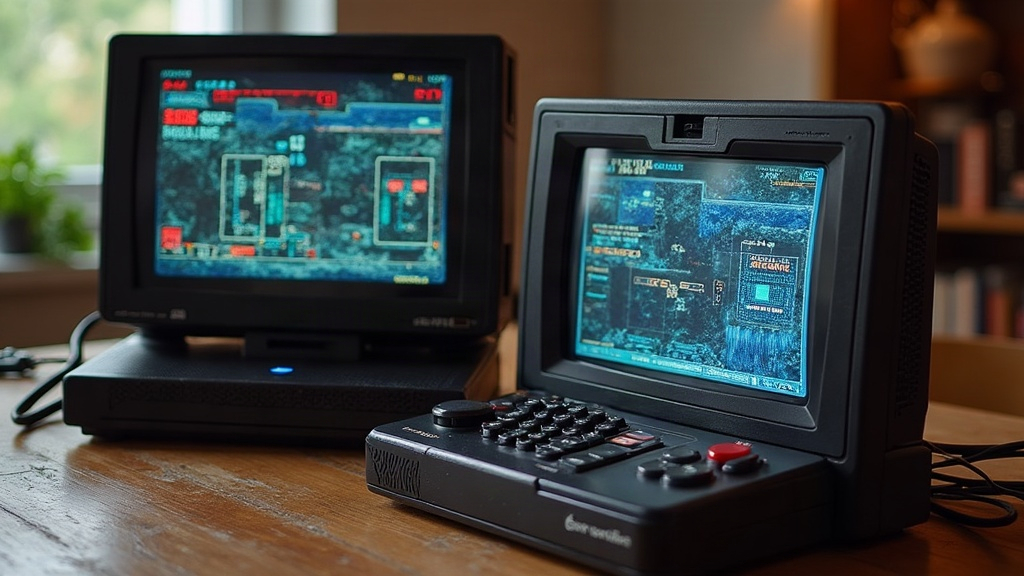
If you’ve spent any time with an Atari Lynx, you already know the screen is its weak link. Dim backlighting, ghosting trails during fast motion, colors that wash out the second you step outside perfect lighting conditions. Two kits dominate the fix-it conversation: the BennVenn LCD kit and the McWill LCD kit. Both swap out that aging passive-matrix panel for something modern and brighter, but they part ways on image quality, how fiddly the install is, price, and whether you can actually get one shipped to you. Let’s break down how to pick.
Quick Summary
- McWill kit: Higher-end image quality, true active-matrix LCD, minimal ghosting. Costs more, and good luck finding one in stock half the time.
- BennVenn kit: Cheaper, easier to track down, a solid jump in brightness, though you’ll notice a touch more ghosting on fast-scrolling games next to the McWill.
What Each Kit Actually Replaces
The stock Lynx screen runs on a passive-matrix LCD, with a fluorescent or basic LED backlight that modders bolted on after the fact just to make it usable. Both aftermarket kits tear out that whole assembly and drop in a modern TFT active-matrix panel instead. The improvement shows up in three places:
- Brightness (you can actually read it in daylight now, something stock Lynx units never managed)
- Color accuracy and contrast
- Response time, which cuts down on motion blur
Where the two kits really diverge is in panel sourcing and driver board design, and that’s what shapes how they perform in your hands.
Image Quality: McWill’s Edge
McWill built its name in the Game Boy and Game Gear modding scene, where its kits are known for handling motion well. That reputation carries straight over to the Lynx. Fire up Chip’s Challenge or California Games and you’ll see fast-scrolling action and text render with barely any smearing. Colors come out slightly more saturated and natural right out of the box too, no tweaking required.
BennVenn’s kit is still a massive leap over stock, don’t get me wrong, but some users report faint ghosting trails during quick horizontal scrolling, especially in shooters. Casual players will likely never notice. But if you’re the type who lines up two Lynx units side by side to compare, you’ll probably catch it.
Installation Difficulty
Neither kit is something you want to attempt as your very first solder job. Both demand:
- Full shell disassembly
- Careful handling of the ribbon cable (it tears easier than you’d think)
- Some soldering skill, depending on which kit revision you get
That said, the general consensus in the community is that BennVenn’s kit installs a little more plug-and-play, with clearer instructions and a connector layout that forgives small mistakes. McWill, historically, ships with thinner documentation, so you’ll end up leaning on forum threads and YouTube tutorials from other modders to fill the gaps.
First time cracking open a handheld? Set aside more time than you think you need, no matter which kit you buy, and watch a full video walkthrough start to finish before touching a screwdriver.
Price and Availability
- BennVenn: Cheaper on average, and restocks show up more often, both through BennVenn’s own store and other retro modding shops.
- McWill: Usually pricier, and you might be waiting weeks for a group-buy style restock since their production runs are smaller and less frequent.
Need a kit in your hands this month? BennVenn is the safer logistical bet, full stop.
Which One Should You Choose?
- Choose McWill if: You want as close to a definitive visual upgrade as exists right now, and you’re fine paying more or sitting on a waitlist. Makes sense for display units, speedrunning rigs, or collectors chasing the best picture possible.
- Choose BennVenn if: You want something reliable and budget-friendly that’s actually easy to buy, install, and troubleshoot. Perfect if you’re just trying to get your Lynx bright and playable for weekend gaming.
Honestly, either kit turns the Lynx from a dim handheld you squint at into something you’ll actually want to play, in any room, under any light. You really can’t pick wrong here. It comes down to how much you care about chasing perfect image quality versus how fast you want this done and how much you’re willing to spend.
Final Thoughts
Both the BennVenn and McWill kits fix the Lynx’s one real hardware flaw: that screen. McWill wins on raw image fidelity, no question. BennVenn wins on price, how easy it is to find, and how forgiving the install is. If you’re restoring a Lynx to actually play games on it, BennVenn is the practical pick. If you’re a collector chasing the best visual result money can buy, McWill still sets the bar.