NES Four Score vs Third-Party Multitaps: Which Is More Reliable?
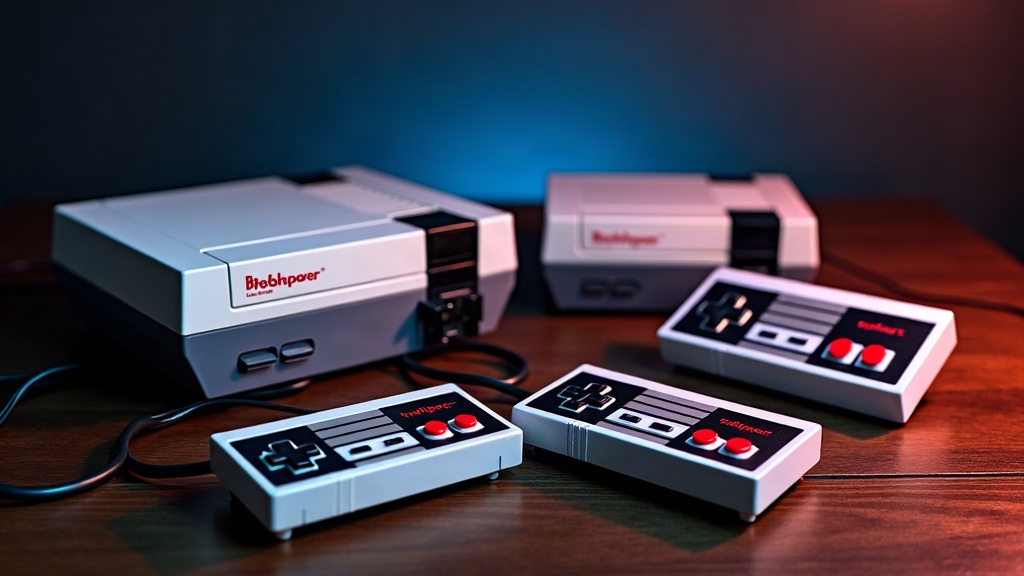
If you’re chasing rock-solid 4-player NES nights, the original Nintendo Four Score still beats most third-party multitaps on compatibility and signal reliability. That said, a handful of modern clones now match it (sometimes exceed it) thanks to better manufacturing and NESRGB-friendly designs. Here’s what actually matters when picking a multitap for games like Nintendo World Cup, Gauntlet II, or RC Pro-Am.
What a Multitap Actually Does
The NES only has two controller ports built into the console, period. A multitap sits between the console and your controllers, using a special signal protocol to let four controllers share those two ports. This isn’t plug-and-play magic. The game itself has to be coded to recognize the multitap’s data signature, which is why compatibility, not just build quality, is the first thing you should check.
The Original Nintendo Four Score
Released in 1990, the Four Score became the de facto standard that most 4-player NES games were designed and tested against.
Strengths:
- Universal compatibility with nearly every 4-player NES title out there, including games with notoriously picky polling routines like Battletoads & Double Dragon.
- Simple, low-latency design. It’s basically a passive signal multiplexer, so there’s zero processing delay.
- Widely available used, usually running $15-$30 depending on condition.
Weaknesses:
- It’s 34+ years old now. Plenty of units have degraded solder joints, worn controller port pins, or cables that are starting to fray.
- No clone-controller filtering. Plug a flaky third-party controller into Port 3 or 4 and you can get ghost inputs for everyone at the table.
- Only works with 2D NES games that explicitly support the Four Score protocol, and not all do. Some older titles used the earlier NES Satellite format instead.
Third-Party Multitaps: The Modern Field
Third-party options generally split into two camps: cheap old-stock clones from the 90s, and newly manufactured boards coming out of the retro hobbyist scene (often sold alongside NESRGB kits or through RetroRGB-adjacent marketplaces).
Older clones (90s era, e.g. some unbranded multitaps):
- Compatibility is a mixed bag. Some units only support a subset of 4-player games.
- Reliability varies wildly by brand. Build quality was inconsistent even back when these were new.
- Higher risk of wear than an authentic Four Score, since unbranded units were often made with cheaper plastic to begin with.
Modern hobbyist-made multitaps:
- New components mean no age-related solder or port degradation to worry about.
- Many are reverse-engineered directly from Four Score schematics, so compatibility tracks the original closely.
- Often come with quality-of-life upgrades: sturdier ports, extension cable support, and sometimes compatibility testing against both Four Score and Satellite protocols.
- Expect to pay $30-$60, noticeably more than a used original.
Which One Should You Buy?
- Want maximum compatibility with zero guesswork? Grab a tested, working original Four Score. It’s the reference hardware every developer targeted back in the day.
- Want new, durable hardware for frequent game nights? A reputable modern reproduction (one with documented schematics matching the Four Score) is the safer long-term bet. You skip the anxiety of 30+ year old solder joints failing mid-session.
- Avoid unbranded vintage multitaps of unknown origin unless you’ve already confirmed compatibility with your specific game list. These things cause the most “why isn’t Player 3 working” headaches, and nobody wants to troubleshoot during a party.
Troubleshooting Tips for 4-Player Reliability
- Test each controller port individually in a 1-player game before any group session. A bad port can ruin the whole night in about five minutes.
- Clean controller connectors and multitap ports with isopropyl alcohol. Oxidation is the number one cause of intermittent input drops, more common than people assume.
- Keep controller cables untangled and away from CRT power supplies. Older cables are far more susceptible to electrical interference than you’d think.
- If a specific game refuses to detect 4 players, check whether it actually supports the Four Score protocol. Some NES multiplayer games, early Konami titles especially, use the older, less common Satellite-only scheme.
Conclusion
For dependable 4-player NES sessions, the original Four Score remains the gold standard for compatibility, though its age is a genuine liability at this point. A well-made modern multitap reproduction offers similar reliability wrapped in fresher hardware, which makes it the smarter buy for regular game nights. Whatever you end up choosing, test every port beforehand. Nine times out of ten, the multitap (not the game) is the culprit when Player 4 goes quiet.